Holding space for grief, eating disorder recovery, family trauma, and everything in between.
Thanksgiving is a complicated day. For many of us, there is a heaviness that accompanies a holiday traditionally centered around gratitude. We cannot ignore the history of colonization, violence, displacement, and intergenerational trauma inflicted upon Indigenous peoples, nor the ways in which that harm continues to reverberate today. There is something deeply human about sitting with the discomfort of celebrating what we have while acknowledging what was taken from others.
Gratitude and grief are not mutually exclusive. We can experience joy without turning away from suffering, and we can appreciate what is present while mourning what has been lost. Neither experience has to invalidate the other. Perhaps that is an invitation we can extend to our own emotional experiences today, too.
When Thanksgiving Brings More Than Food to the Table
Perhaps neither gratitude nor grief is at the forefront of your mind today. Perhaps it's calories. Perhaps it's what you ate yesterday, what you're expected to eat today, or how you feel compelled to compensate tomorrow. You may have spent the entire morning negotiating with your eating disorder while everyone around you seems to be enjoying the very thing that causes you so much distress.
For those navigating eating disorder recovery, Thanksgiving can feel like an entire day centered around something you are actively working to heal your relationship with. Adding to that complexity are the conversations about bodies, diets, earning your food, and needing to work it all off tomorrow. These conversations may seem harmless to those around you but can feel incredibly disruptive to the recovery you've worked so hard for.
It can be exhausting to participate in a celebration while simultaneously trying to quiet the thoughts that are consuming you. Please remember that you deserve to eat today, regardless of what you ate yesterday, how much you moved your body, or what anyone else at the table chooses to do. You do not need to justify your hunger, explain your food choices, or participate in conversations that compromise your recovery.
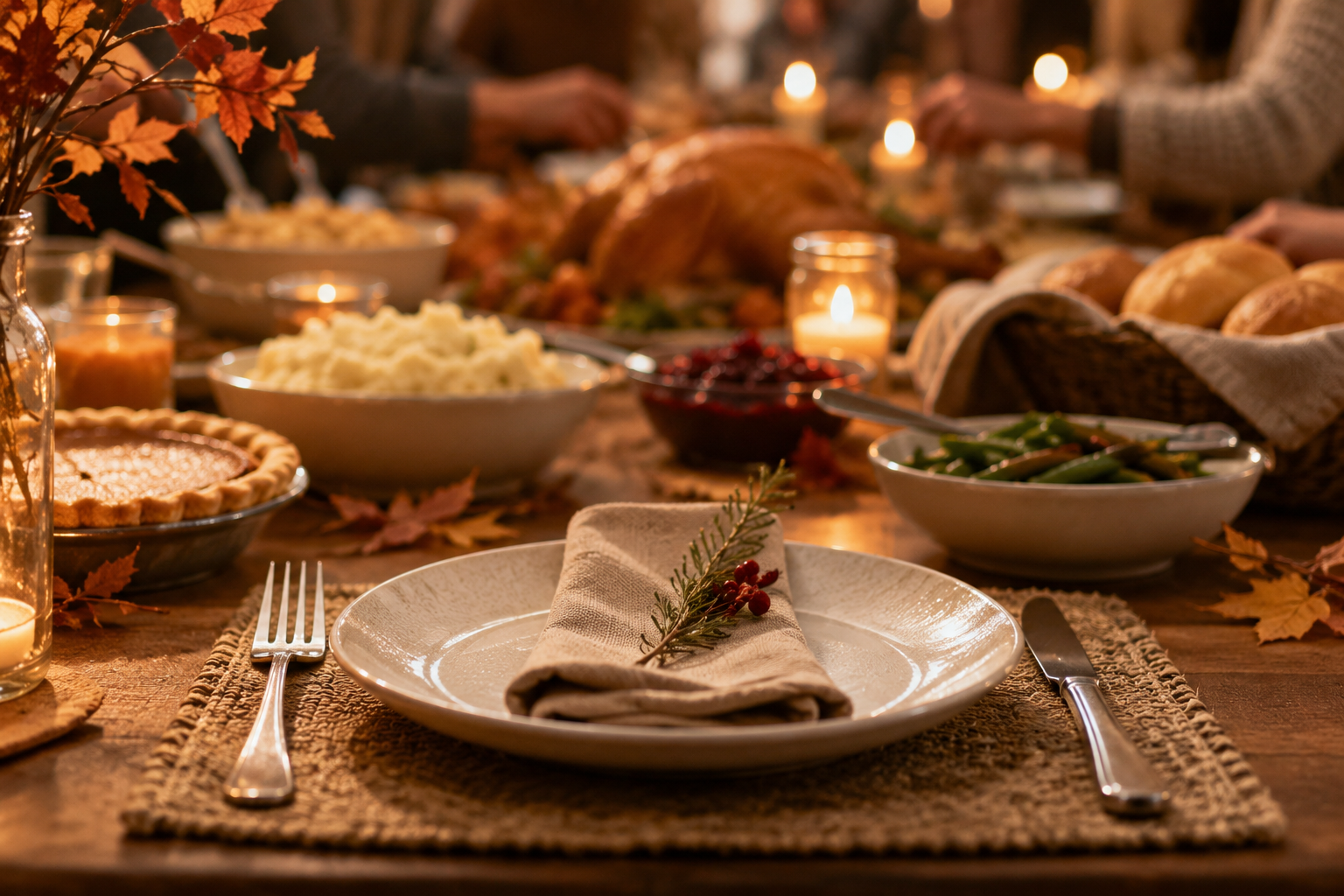
When Going Home Doesn't Feel Like Coming Home
Beyond the food, there are the complexities of family dynamics, unspoken expectations, and unresolved traumas passed down through generations. Despite all the work you've done in therapy, you may find yourself slipping back into familiar roles the moment you walk through the door. Maybe you're sitting at a table surrounded by people who have known you your entire life, yet you've never felt truly known by them.
You may find yourself wondering why you feel so alone when you're surrounded by people, whether you're the black sheep of your family, or why you become a version of yourself you thought you had outgrown every time you come home. Perhaps you're beginning to question why belonging within your family seems to require you to abandon parts of yourself.
You may have spent years learning how to establish boundaries, identify your needs, and express your emotions, only to return to a family system that still expects you to be the person you were before you began healing. Sometimes, healing makes us more aware of the very dynamics we once learned to survive, and that awareness can feel incredibly lonely.
There is a particular kind of grief that comes with recognizing that the people you love may not have the capacity to meet you in the ways you need. Holidays have a way of bringing that grief to the surface, especially when we are surrounded by cultural messages about what family, love, and belonging are supposed to look like.
You Don't Have to Perform Gratitude
The pressure to feel grateful can make an already difficult day feel even more isolating, particularly for those experiencing depression, grief, anxiety, or loneliness. When everyone around you is sharing what they're thankful for, it can be difficult to acknowledge your own pain without feeling guilty for experiencing it. But gratitude does not require the absence of pain.
You can be grateful for what you have while grieving what you never received. You can love your family while acknowledging the ways they have hurt you. You can be committed to eating disorder recovery and still struggle with eating today. You can miss someone while feeling relieved that they are no longer part of your life. You can recognize the privileges you have while still experiencing profound emotional pain.
Someone else's suffering does not make yours less deserving of attention. We do not have to compare, minimize, or intellectualize our pain in order to make room for the suffering of others. There is space for both. Gratitude is not a prerequisite for deserving care, and your recovery is not measured by how gracefully you navigate a holiday.
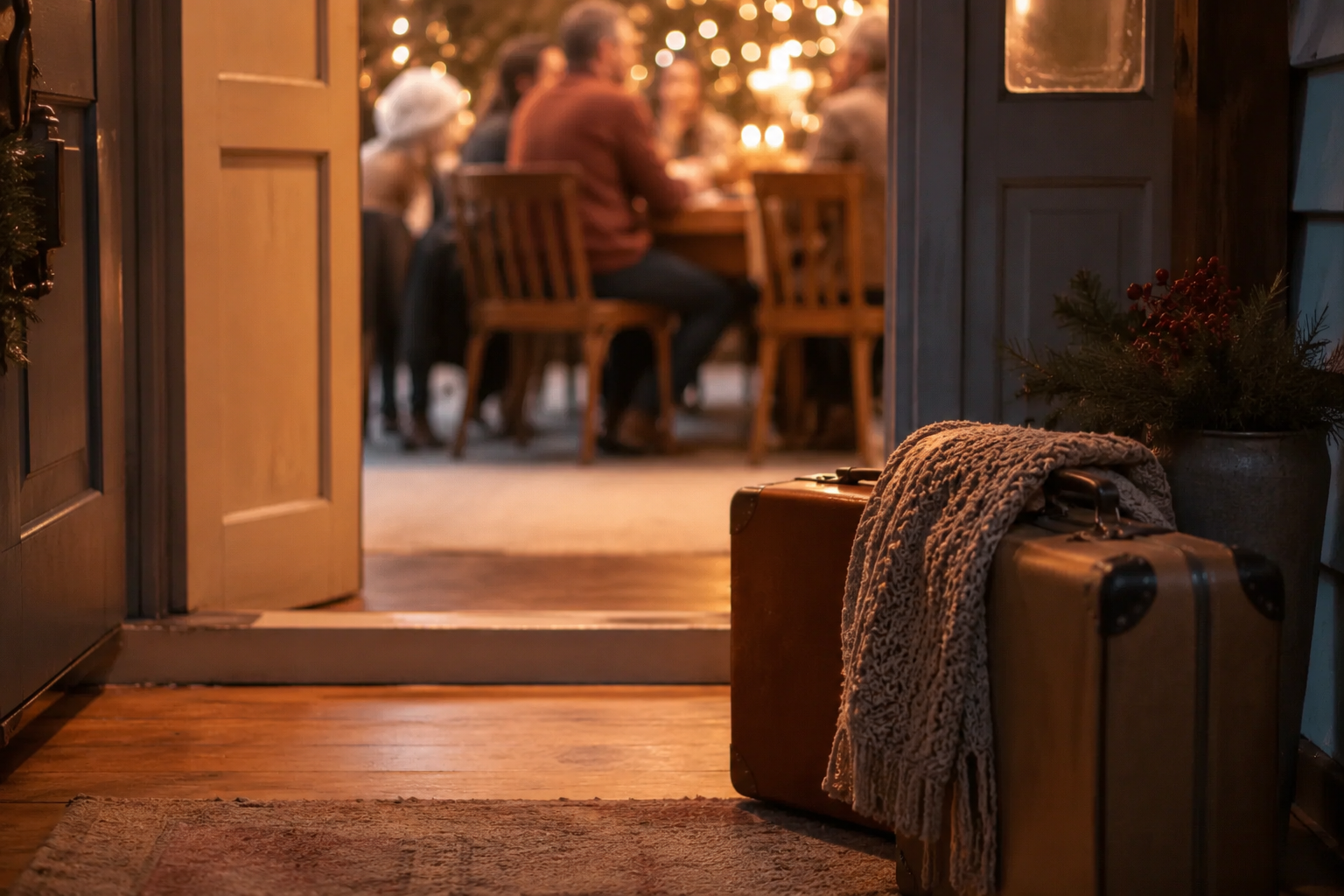
If You Needed Somewhere to Land Today
Perhaps you're reading this from the bathroom of a family member's home, taking a few moments away from the noise. Perhaps you're spending Thanksgiving alone, scrolling through photographs of seemingly happy families and wondering why your life looks so different. You may be fighting the urge to engage in eating disorder behaviors, feeling overwhelmed by depressive thoughts, or questioning whether there is anywhere in this world where you truly belong.
Wherever this article finds you today, we hope you can offer yourself a little permission. Permission to nourish your body without earning it, to excuse yourself from conversations that feel harmful, and to honor your boundaries even when others do not understand them. We hope you give yourself permission to grieve the relationships, traditions, and experiences you wish you had, while also allowing yourself to experience moments of joy without feeling guilty for them.
You are allowed to create new traditions that reflect who you are rather than who you were expected to become. You are allowed to seek connection outside of your family of origin and discover what belonging feels like when it does not come at the expense of your authenticity.
Today does not have to be a reflection of how far you've come in your healing. A difficult holiday does not erase your progress, and struggling with familiar thoughts, emotions, or behaviors does not diminish the work you've done to get here.
At Whole Hearted Healing, we believe that healing involves making room for the entirety of our human experience, including the gratitude and the grief, the connection and the loneliness, and both the parts of ourselves we celebrate and those that have never quite felt welcome at the table. There is room for all of those parts here.
Whatever today brings, we hope you find even a small moment in which you feel connected to yourself, without having to become someone else in order to belong.
With so much warmth,
Michaela
If you are experiencing thoughts of suicide or feel unable to navigate today's emotional distress alone, you can call or text 988 in the United States for immediate crisis support. You deserve care and connection today, not just when the holidays are over.
